Date
For railcar owners, an aging fleet does not always mean an asset has reached the end of its useful life. A railcar may have decades of service life remaining but no longer fit the needs of the market in its current configuration.
As economic conditions continue to challenge companies across the United States, railcar owners are looking for ways to control costs, optimize existing assets and prepare their fleets for changing demand.
Greenbrier’s Sustainable Conversions™ offer a solution.
Rather than replacing an aging railcar with a new asset, Sustainable Conversions™ can repurpose existing railcars for new services, helping customers extend asset life while reducing material waste and, in many cases, lowering the cost of acquiring a different railcar.
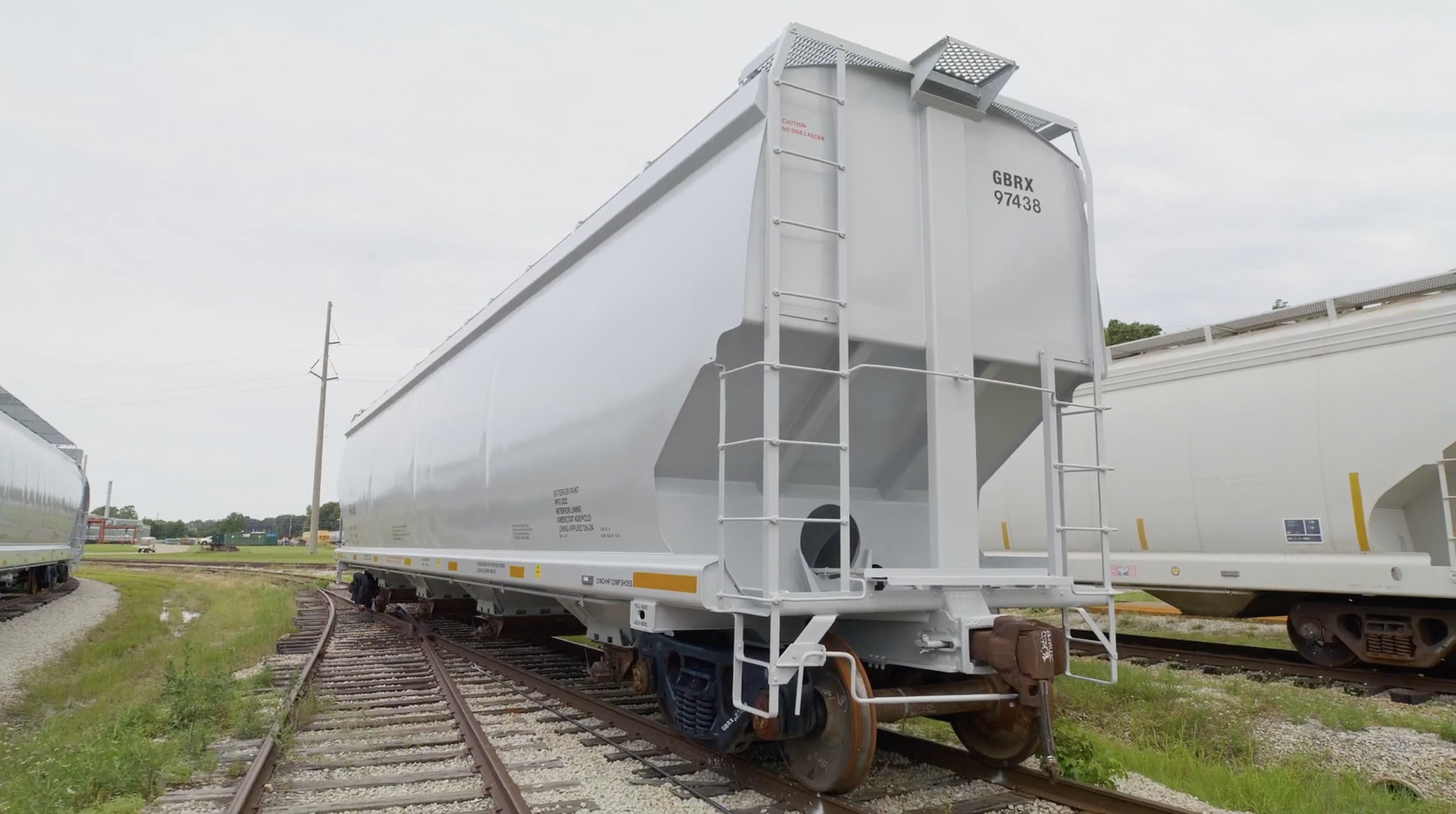
“You’ve got cars that have maybe 20, 30, 40 or more years of life left in them, but they don’t have a use in that current configuration. We’re looking at creative ways to solve our customers’ problems,” said Jamie Caldwell, senior manager at Greenbrier.
Turning Existing Railcars Into New Opportunities
Our conversions are designed to help railcar owners diversify and optimize their fleets by reusing existing railcar components.
The process can include rebody, conversion, recertification, stretch, cut-down and retrofit solutions, depending on the railcar and the customer’s needs.
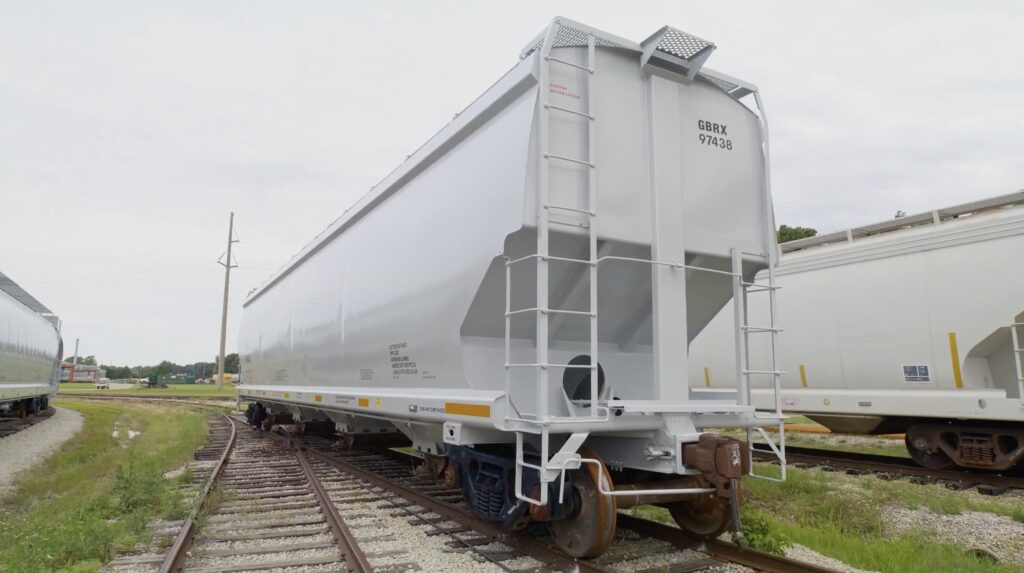
Covered hopper railcars, for example, can be rebodied and stretched into larger-capacity hoppers designed for commodities such as dried distillers grains, potash, sugar and grain.
Auto carrier railcars can be converted into transit van decks or re-racked from tri-level to bi-level service. Tank cars can be retrofitted to DOT-117R standards or converted for other commodity services.
These solutions allow customers to take an existing asset and give it a new purpose.
That flexibility can be particularly valuable when market demand shifts. Instead of allowing railcars to sit idle or replacing them entirely, owners can evaluate whether existing equipment can be modified to serve a different market.
Sustainability is Part of our Process
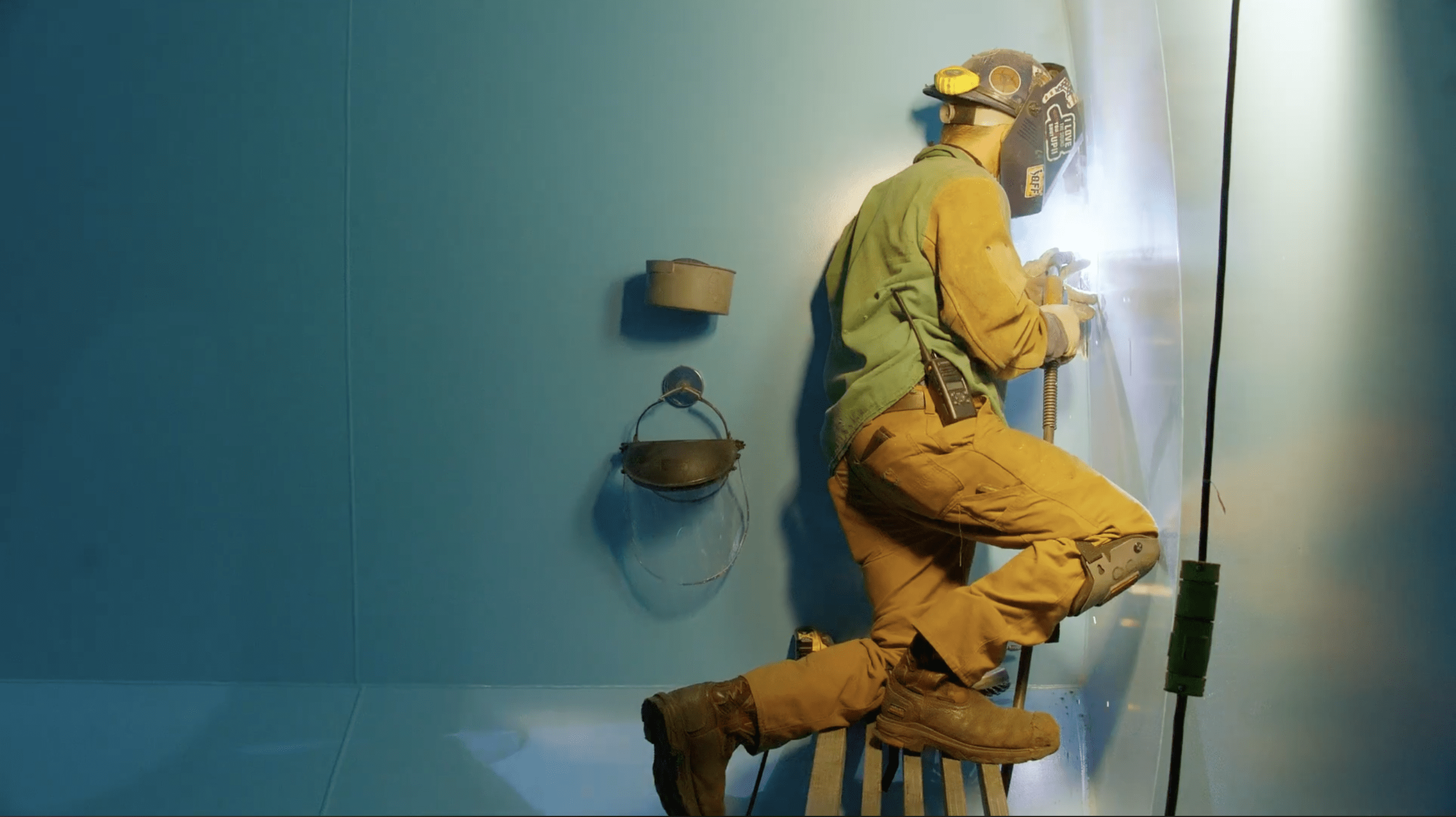
At our facilities, experienced teams methodically disassemble railcars and identify components that can be reclaimed and reused in the manufacturing process.
Engineering plays a central role in determining how existing components can be incorporated into new configurations while maintaining the required performance and standards. The result is a manufacturing approach that can reduce both material waste and cost.
In fiscal year 2023, Greenbrier reclaimed nearly 17,000 tons of specialty components for rebody conversions and recycled 20,800 tons of steel.
In fiscal year 2025, Greenbrier reused, reclaimed or recycled 88,500 tons of material through railcar maintenance and modification. The company also increased the recycled steel content of new railcars from 56% to 58%. These efforts reflect a broader approach to sustainability that considers the full life cycle of rail equipment.
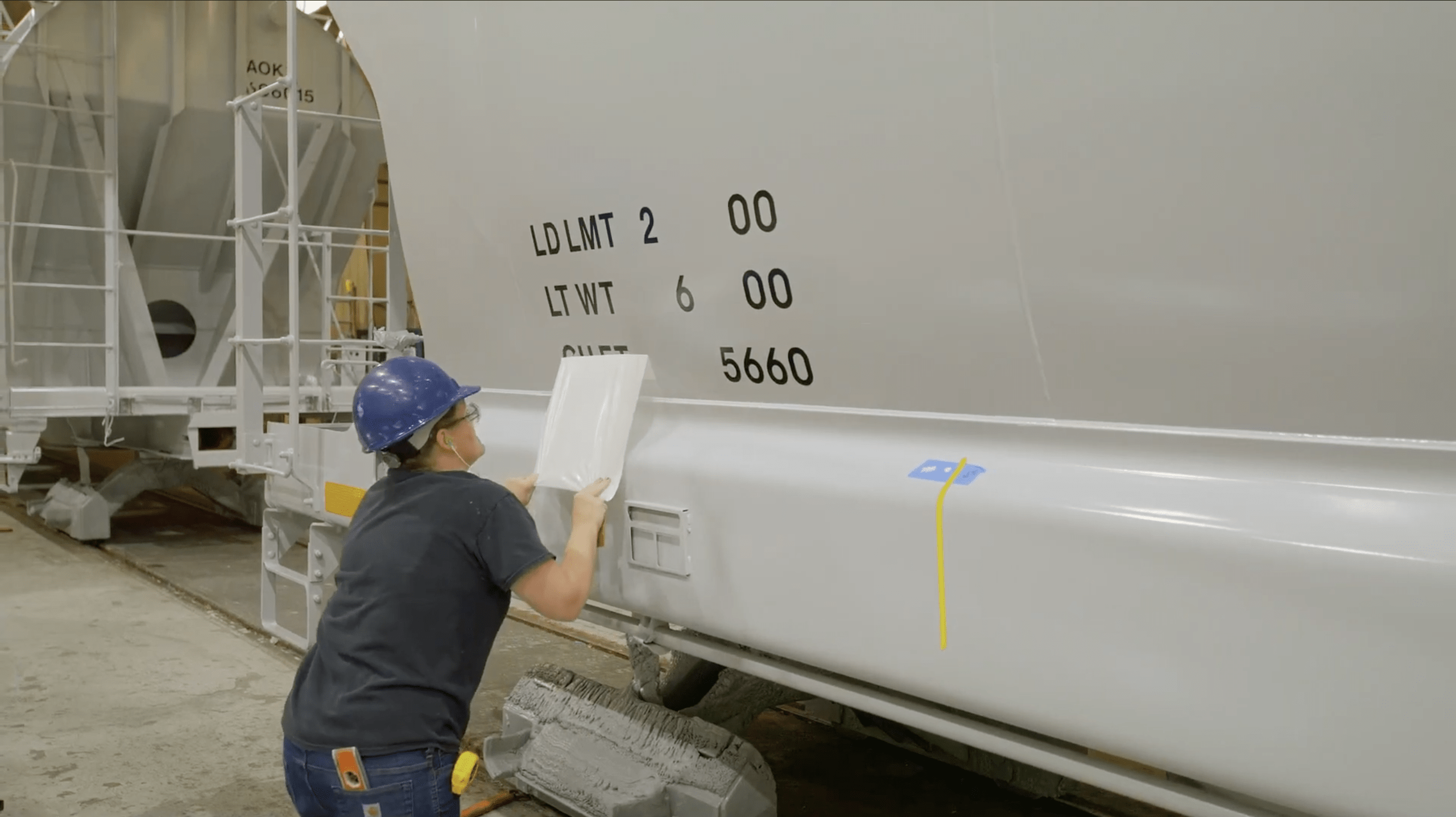
As demand evolves across agriculture, energy, chemicals and other industries, the ability to modify existing equipment can give fleet owners greater flexibility. A railcar that no longer serves one commodity may have an opportunity to serve another. That is the fundamental idea behind Sustainable Conversions™.
Greenbrier’s expertise in engineering, manufacturing and railcar modification allows customers to evaluate what is possible with their existing fleets and develop solutions around their specific needs. Because sometimes the most sustainable railcar is not a new railcar. It is the one that already exists—transformed for what comes next.
Source: Greenbrier