Date
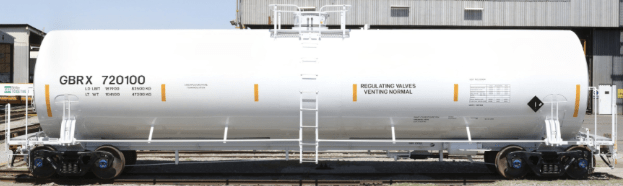
As carbon capture projects expand across North America, carbon dioxide (CO₂) is becoming more than an industrial byproduct—it is emerging as a new freight commodity requiring safe, reliable and efficient transportation solutions.
Industries including ethanol, cement, steel, hydrogen and fertilizer production are investing in carbon capture and sequestration (CCS) to reduce emissions while continuing to produce the materials and fuels that support modern life.
Once captured, however, CO₂ must be transported from production facilities to permanent storage locations, creating a growing need for transportation infrastructure capable of supporting the next phase of carbon management.
Why Rail Matters for Carbon Capture
Transporting captured CO₂ requires a network that can connect industrial facilities with sequestration sites across North America.
While dedicated CO₂ pipelines will continue to play an important role in carbon management, much of the infrastructure needed to support large-scale carbon transportation is still developing. Freight rail provides a flexible solution by utilizing an established North American network already connected to many of the industries expected to adopt carbon capture.
For facilities located beyond existing pipeline networks—or where pipeline development may not yet be practical—rail can provide an efficient pathway to move captured carbon to storage locations.
From Capture to Permanent Storage
Carbon dioxide generated through industrial processes is captured, compressed and liquefied before being transported to sequestration sites.
Once delivered, the CO₂ is injected deep underground into carefully selected geologic formations for permanent storage. As carbon capture projects continue to expand, reliable transportation becomes a critical link between capture facilities and storage locations.
The opportunity represents a significant new market for freight transportation. Industry estimates indicate that moving one million metric tons of captured CO₂ annually could require approximately 350 tank cars, highlighting the potential scale of future carbon logistics networks.
Engineering a Railcar for CO2 Transportation
Transporting liquid carbon dioxide requires specialized equipment designed to maintain cargo integrity throughout transit.
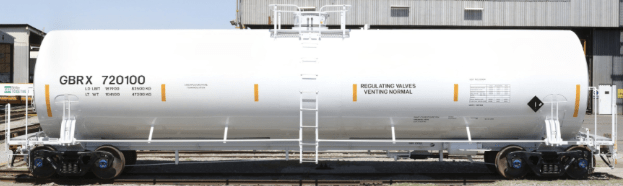
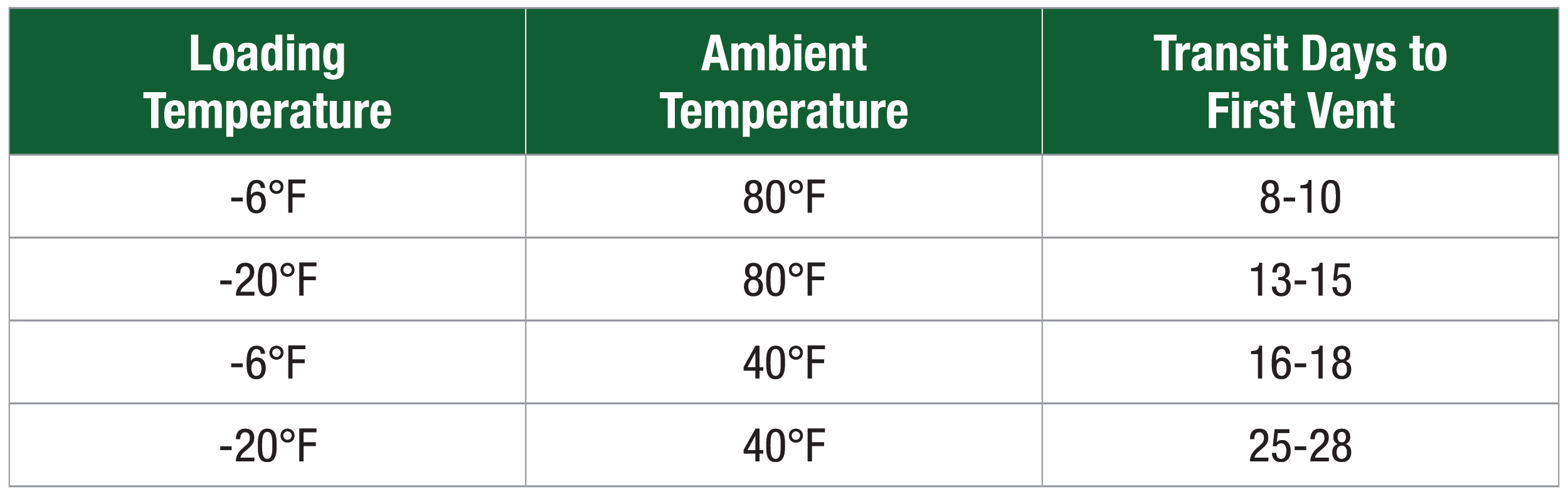
Greenbrier’s next-generation CO₂ tank car was purpose-built to support the growing carbon capture and sequestration market. Advanced insulation and precision thermal management help minimize product loss and preserve cargo integrity, allowing the tank car to achieve up to 25 days before first vent under optimal operating conditions.
Designed to DOT and AAR standards, the tank car combines high-strength construction, integrated thermal protection and enhanced safety features with operational flexibility for a variety of loading and unloading conditions.
The tank car’s design includes:
- 22,000-gallon capacity to maximize payload efficiency
- Integrated thermal protection designed to support safe CO₂ transport
- Configurable loading and unloading options to support operational flexibility
- Optional telematics providing real-time visibility into location, temperature and load conditions
Economic Drivers Supporting Growth
The continued expansion of carbon capture projects is being supported by both industry investment and federal incentives.
Tax incentives, including the Section 45Q carbon sequestration tax credit, are helping encourage investment in projects designed to capture and permanently store carbon dioxide. As more industries evaluate CCS opportunities, transportation solutions will play an increasingly important role in connecting capture facilities with storage infrastructure.
Supporting the Future of Sustainable Freight
Freight rail has continually evolved alongside the industries it serves. From agricultural products and chemicals to renewable fuels and industrial materials, specialized rail equipment has helped create new supply chains and support changing market demands.
Greenbrier manufactures rail equipment designed to support the movement of essential commodities, including ethanol, renewable fuels and captured carbon dioxide. Through purpose-built solutions and continued innovation, Greenbrier is helping customers move toward a more connected, efficient and sustainable carbon logistics network.
As carbon capture continues to develop across North America, rail will play an important role in building the infrastructure needed to safely transport captured CO₂—helping industries meet their evolving sustainability goals while supporting the future of freight transportation.
Source: Greenbrier