– The errors we have seen recently are frustrating for those affected, and we take this very seriously. We understand that those who travel by train are primarily concerned with their trains running on time. It is understandable that many who travel by train experience the past few weeks as proof that the railway is not good enough, says Agnete Johnsgaard-Lewis, CEO of Bane NOR.
At the same time, it is important to view the individual errors in light of the overall condition of the railway and the extensive renovation work that is underway.
“When trains are stopped, it doesn’t help much to hear that major renewal projects are underway elsewhere. At the same time, it is precisely these events that remind us why we must renew the infrastructure and prioritize maintenance. If we are to have a more robust and reliable railway, this work must continue over time,” says Johnsgaard-Lewis.
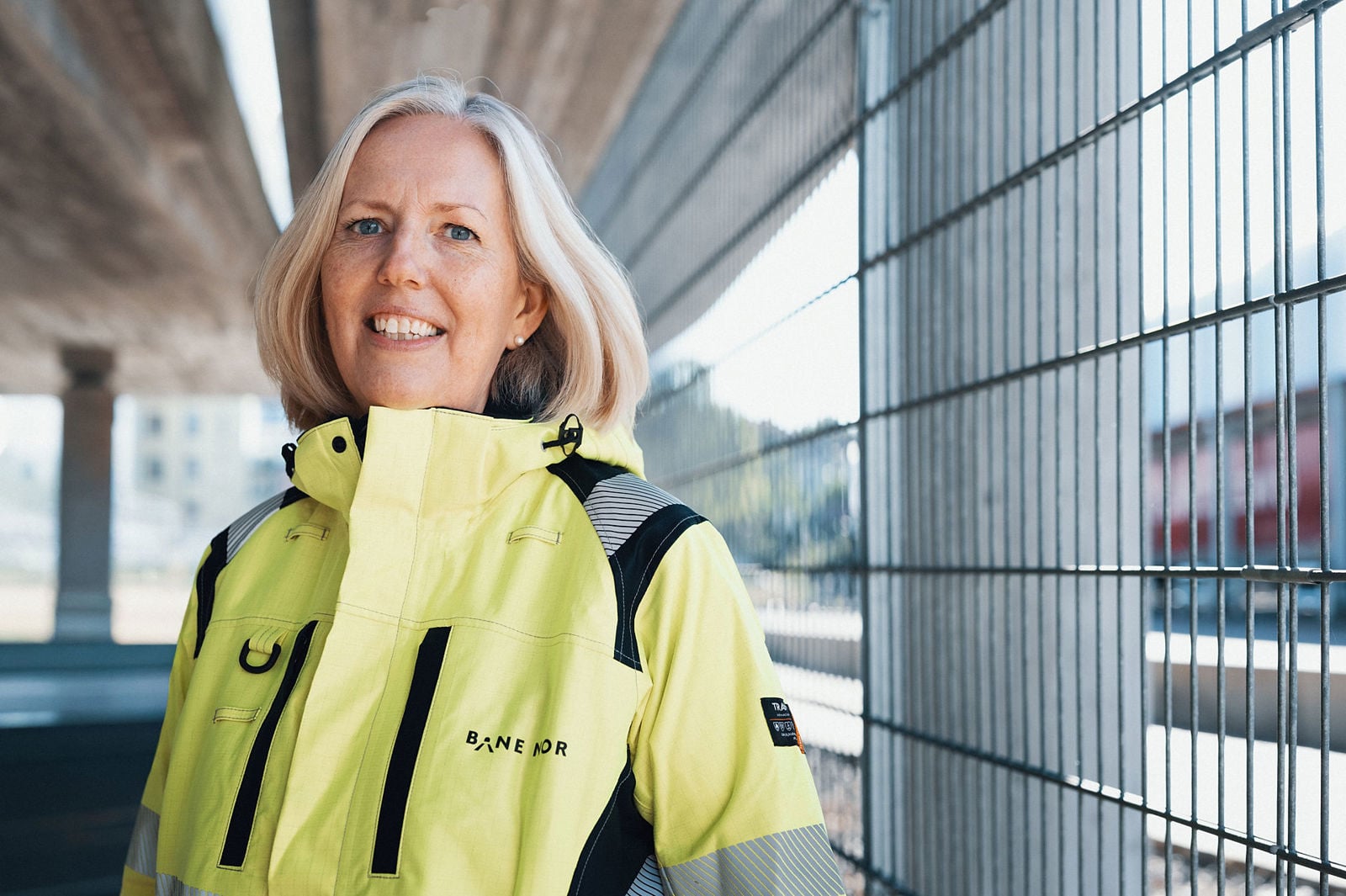
Agnete Johnsgaard-Lewis, CEO of Bane NOR
Foto:
Aksel Jermstad, Bane NOR
Several independent incidents affected train traffic
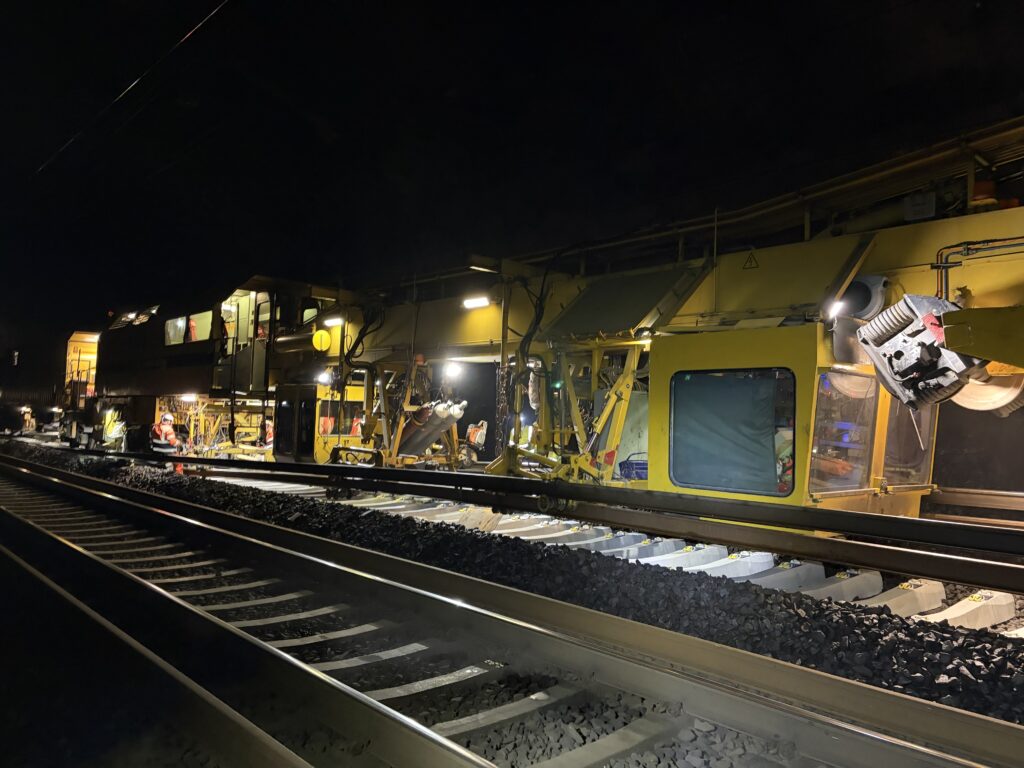
Extensive renovation work has been carried out on several of the country’s busiest sections of railway over the summer. Tracks, overhead lines, power supply and other critical facilities have been upgraded to reduce the risk of failure and make the railway more robust over time.
Yet recent weeks have shown that the work is far from finished.
In mid-August, there were separate faults and incidents in Eastern Norway that affected train traffic, leading to delays and cancellations. At times, trains were rerouted via other routes where possible, to maintain as much traffic as possible.
First, a so-called dump occurred in the track. This means that the substrate that holds the track in place had settled, so that the track did not receive the support it should have.
Then a situation arose in the signaling system.
– The system registered a deviation that it could not confirm was safe. Then the system did what it was built to do: It stopped traffic until the situation was investigated. When the signaling system registers something that it cannot confirm is safe, it stops or limits traffic until we have investigated the matter further. Safety always comes first on the railway, says Lars Berge, Regional Director, Bane NOR.
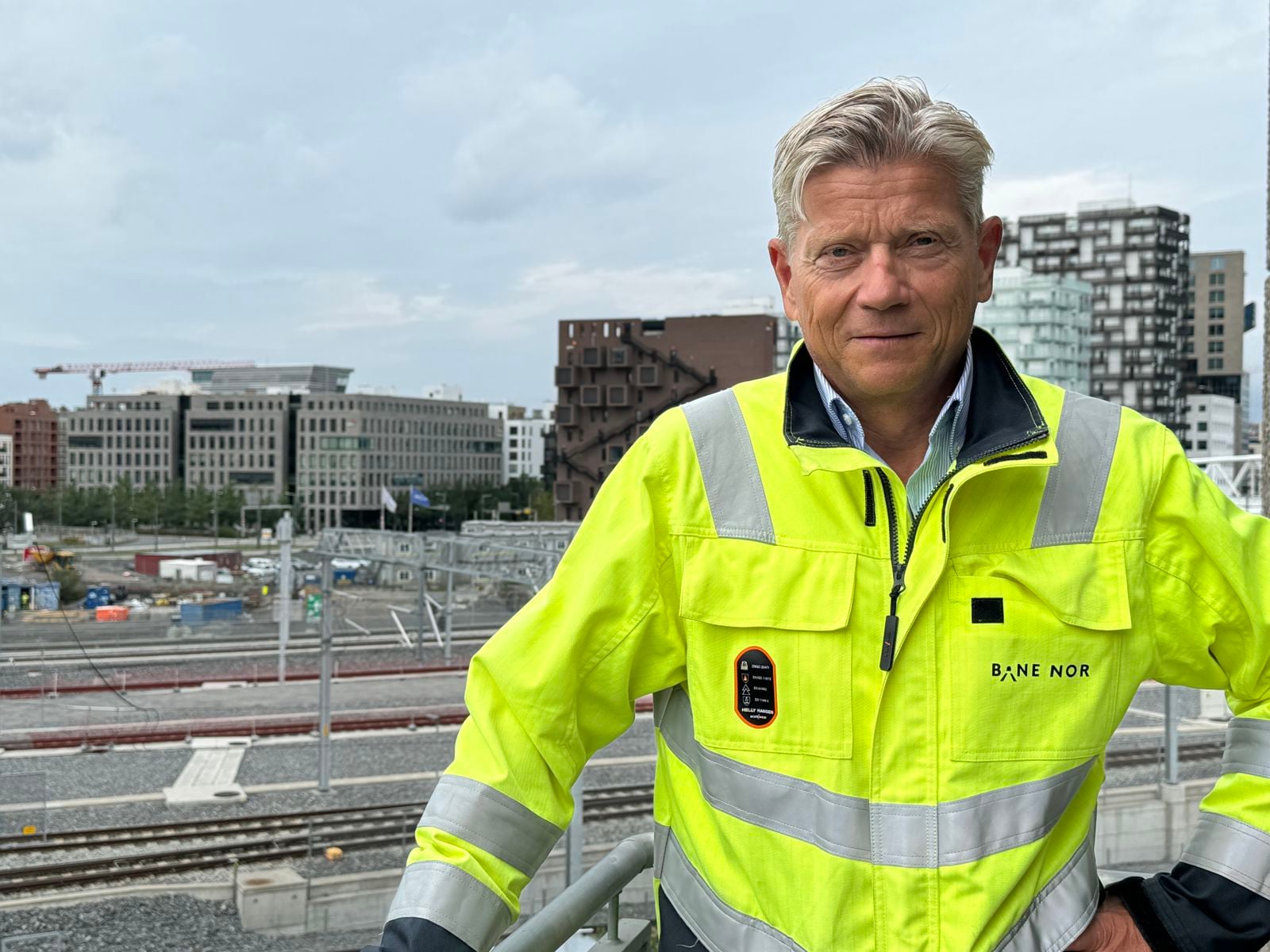
Lars Berge, Regional Director, Bane NOR
Foto:
Hedda Nossen, Bane NOR
- The biggest railway lift of the summer has been completed
A gap that has built up over time
It may seem paradoxical that errors occur at the same time as the railway is being renovated.
The explanation is that much of the infrastructure is old, while at the same time being used more than ever before.
The railway is a technically complex system with thousands of kilometers of track, power supply, signaling systems, tunnels, bridges, switches and other components that must work together.
Large parts of the infrastructure have been built over several generations, and many central facilities are old and subject to wear and tear.
At the same time, train traffic has increased significantly in recent years. As a result, the need for renewal has grown faster than it has been possible to implement or have been provided with funds.
The renewal that is currently underway is necessary, but cannot quickly eliminate a need that has been building up over several decades. The annual condition assessment InfraStatus shows that the renewal need in 2025 is estimated at NOK 132.6 billion over the next twelve years.
– We are now carrying out a historically high level of maintenance and renewal. This is necessary to make up for some of the significant renewal needs that have built up over a very long time. We are continuing this work with full force within the framework we have, says Johnsgaard-Lewis, adding:
– The work carried out this summer will not produce immediate results across the entire railway network, but it will reduce the risk of errors, strengthen robustness and provide travelers with a more reliable railway over time.
- Bane NOR and the Norwegian Railway Directorate: Prioritize maintenance and renewal for the next National Transport Plan (NTP) for 2025-2036
- State Budget 2026: Increases appropriations by one billion
- Infrastatus 2025: Renewal needs of 132.6 MNOK over the next twelve years
Where there is renewal, errors decrease
Of the total 3,962 kilometers of railway in Norway, 3,645 kilometers are single track. Only 317 kilometers are double track and have the option of “driving past”, which is equivalent to the road from Oslo to Arendal.
On a railway network that largely consists of single tracks, one error can have major consequences and cause delays. This is particularly true on central sections in Eastern Norway, where freight and passenger train traffic from large parts of the country meet.
– We can never guarantee error-free days. Individual errors will still occur. But new facilities give us a better starting point than old facilities do. Experience is clear: Where we renew the infrastructure, the number of errors decreases over time, says Berge.
The work carried out in the summer of 2026 is part of a larger and long-term upgrade for the railway in Greater Oslo.
Up until 2029, several targeted measures will be implemented, including further renovation of Romeriksporten, upgrades to the Gardermo Line and the Main Line, replacement of critical switches and strengthening of the power supply at Oslo S and in the Oslo Tunnel.
The goal is to reduce the vulnerability of the railway’s most important hub and facilitate a more robust, reliable and punctual railway for travelers in the years to come.
Questions and answers
The three incidents in mid-August that affected train traffic were separate incidents on different parts of the train routes in Eastern Norway.
First, a dump occurred in the Romeriksporten track, which was caused by the crushed stone under the track settling in one place, so that the track was not supported as it should be.
Then the signaling system registered that something was on the track between Oslo S and Lillestrøm, so that it could not confirm that it was safe to run trains. Then the system did what it was built to do: It stopped traffic until the situation was investigated. This is something that can happen from time to time, and is known as a “ghost train”, and is not due to a physical fault.
The third fault was an electrical fault between Skøyen and Lysaker, which caused the power supply to the train to drop.
These incidents led to delays, cancellations and some trains being rerouted where possible, in order to maintain as much traffic as possible.
- Ghost train stops traffic
- Punctuality statistics
The railway consists of 3962 kilometers of track and a large number of technical facilities. Although we carry out extensive work during the summer period, faults can still occur elsewhere in the infrastructure. The goal of maintenance is to reduce the risk of faults and make the railway more robust over time.
The railway system is in significant need of renewal. Many facilities are old, and several parts of the infrastructure need to be renewed in the coming years to ensure good operation and high reliability. At the same time, both older and newer facilities need to be maintained regularly, as wear and tear increases with the increasing number of trains.
At the same time, safety on the railway is a high priority. Trains will not run if it is not safe. This is one of the reasons why we sometimes experience signal errors, speed reductions or traffic being stopped. There are examples of technical systems working as they should and professionals making the necessary decisions to reduce or stop traffic so that safety always comes first.
- Infrastatus 2025: Renewal needs of 132.6 MNOK over the next twelve years
No. It is important to distinguish between the renovation work carried out this summer and the errors that have occurred in recent days. These are separate and unrelated events.
This summer’s renewal work is an investment in fewer errors and better punctuality in the years to come. It is about replacing worn-out facilities and components before they fail. The results will come gradually and must be assessed over time. Individual errors on various parts of the railway network can still occur, but new facilities give us a better starting point. Experience has shown that where we renew the infrastructure, the facilities become more robust and the number of errors decreases over time.
- The biggest railway lift of the summer has been completed
Central railway lines in Eastern Norway carry train traffic that affects passengers and freight going in all directions in Norway. The Oslo area is the hub of Norwegian railways, with around a thousand trains passing through daily. When a fault occurs in central parts of the infrastructure, it therefore affects many trains and passengers at the same time. On a railway network that is 90 percent single track, this also means that the risk of one fault propagating is high and therefored will have greater consequences.
More money has been allocated for maintenance and renewal in recent years, which is important and absolutely necessary. At the same time, the need for renewal remains great, and maintenance of both new and older facilities must be done regularly and in line with increasing traffic and wear.
It will take time for the full impact of the investments in renewal to be felt across the entire rail network. It will also be necessary to allocate resources to cover the maintenance backlog, which has built up over many years where funding has not met needs.
The railway is a technically complex system with thousands of kilometers of track, power supply, signaling systems, tunnels, bridges, switches and other components that must work together.
Large parts of the infrastructure have been built over several generations, and many central facilities are old and subject to wear and tear.
At the same time, train traffic has increased significantly in recent years. As a result, the need for renewal has grown faster than it has been possible to implement or have been provided with funds.
A historically high level of maintenance and renewal is now being carried out, which is absolutely necessary, but it cannot quickly eliminate a need that has been building up over several decades. The annual condition assessment InfraStatus shows that the renewal need in 2025 is estimated at NOK 132.6 billion over the next twelve years.
- Bane NOR and the Norwegian Railway Directorate: Prioritize maintenance and renewal for the next National Transport Plan (NTP) for 2025-2036
- State Budget 2026: Increases appropriations by one billion
- Infrastatus 2025: Renewal needs of 132.6 MNOK over the next twelve years
Work on maintenance and renewal of the infrastructure continues, and measures that have the greatest effect on punctuality, regularity and operational stability are prioritized.
We cannot promise a fault-free railway, but we can promise that we are working systematically to reduce the risk of faults. The goal is more trains on schedule, fewer faults and a more robust railway.
The work carried out in the summer of 2026 is part of a larger and long-term boost for the railway in Greater Oslo. Up to 2029, several targeted measures will be implemented, including further renewal of Romeriksporten, upgrades to the Gardermo Line and the Main Line, replacement of critical switches and strengthening of the power supply at Oslo S and in the Oslo Tunnel. The aim is to reduce the vulnerability of the railway’s most important hub and facilitate amore robust, reliable and punctual railway for travelers in the years to come.
- The biggest railway lift of the summer has been completed
- Here we build and maintain railways all over Norway.
Published:
Source: Bane NOR